
Overcoming Anxiety: The Role of Attention (Episode 144)
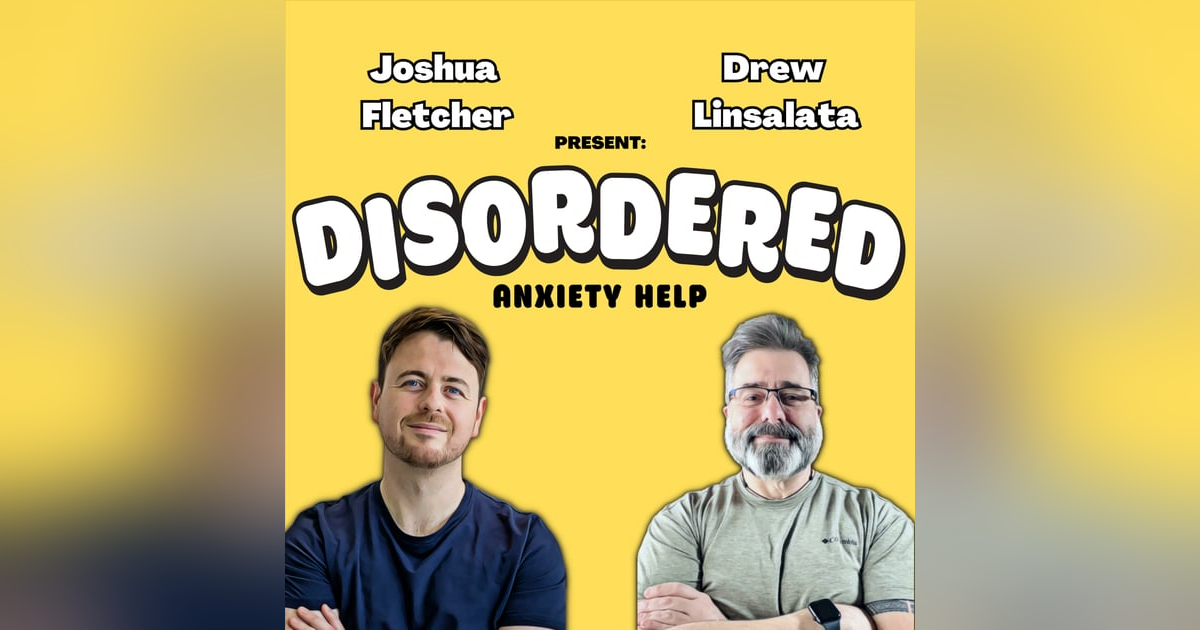


Questions about this episode? Want to interact with Drew, Josh, and other members of the Disordered audience? Check out the Disordered Community Space!
https://disordered.fm/community
-------
This episode of Disordered explores the vital role of attention in anxiety recovery. Josh and Drew discuss the core skill of moving your attention while feeling high levels of fear.
Many people struggling with anxiety disorders feel their attention is glued to symptoms or intrusive thoughts. Josh describes this as "threat-induced attention," which is a survival mechanism where the brain locks onto perceived danger. You always have agency over your attention. Recovery involves building an "attention muscle" to acknowledge the fear and choose a different focus.
Confidence in Attention: Josh shares a personal breakthrough where he felt a massive adrenaline rush on a bus but chose to read a newspaper anyway. This desensitization happened because he trusted his ability to move his attention despite the discomfort.
The "Checking State" Trap: Drew explains that many common calming techniques backfire. If you use them to force anxiety away, you end up hyper-focusing on your internal state to see if they worked. This keeps you trapped in the threat cycle.
Facing the "Bear": Using a metaphor of a bear in a campsite, the hosts explain that looking away from the anxiety tells the brain the emergency is over. Staring at the anxiety only confirms to your nervous system that you are still under threat.
Practical Application: Whether going to the dentist or taking a train, the goal is to move attention toward meaningful tasks rather than internal monitoring.
"The only way to show the brain and the amygdala that this isn't a threat is to show it with our attention... that this isn't important." — Josh
"We cannot operate directly on your anxiety... we can only operate on the way you interact with it." — Drew
Building confidence in your attention is a gradual process rooted in Acceptance and Commitment Therapy (ACT) and Metacognitive Therapy. It requires bravery to look away from the fear to find the path to long-term psychological flexibility.
---
Disordered Roundtable is coming! Think of it as "Disordered Live", a way for members of our audience to spend time with us in an intimate virtual setting (attendance is limited) to engage in real time sharing and discussion on specific anxiety disorder and recovery topics. To be notified when new Disordered Roundtable sessions are scheduled, sign up for our email list using the form on this page.


